
Major semiconductor producers reported higher output in the third quarter, a shift that could ease persistent supply shortages in the automotive industry.
In earnings reports and industry updates this week, leading chip makers including TSMC, Samsung Electronics and Intel said production volumes rose from the previous quarter. Combined shipments of key microcontrollers and power-management chips used in vehicles increased an estimated 8% to 12% in Q3, based on company data and analyst estimates.
TSMC, the world’s largest contract chip maker, said expanded capacity at its fabrication plants drove the increase, especially for 28-nanometer and 40-nanometer chips used in automotive systems. Samsung reported higher utilization rates at several fabs in South Korea and Texas, Intel said its foundries were operating near full capacity to meet demand across end markets.
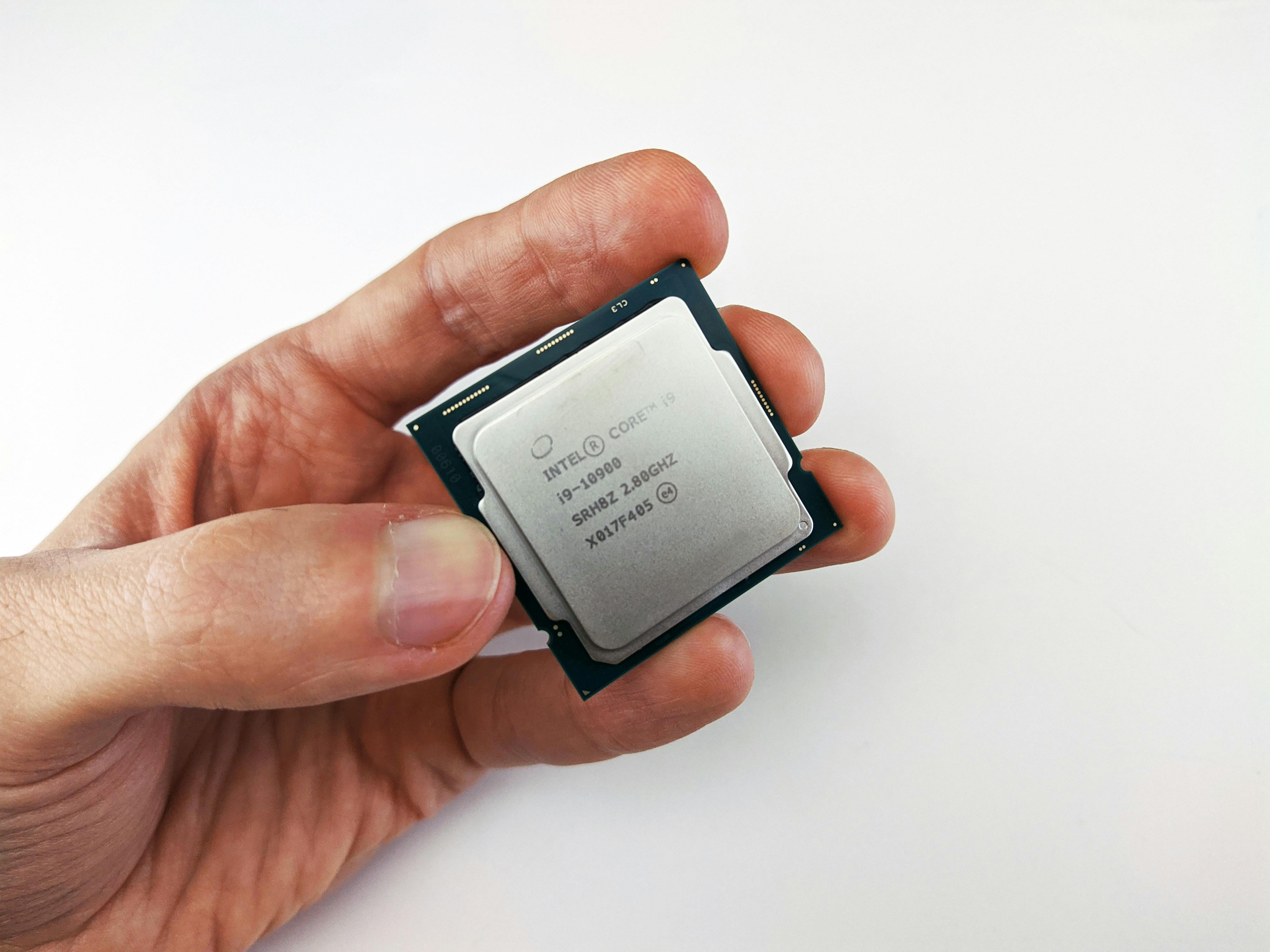
Some smaller specialty suppliers also reported modest increases in output of older legacy chips that have remained in short supply for years, offering added relief for manufacturers reliant on mature nodes.
Automakers have faced semiconductor shortages since early 2021, when pandemic-era factory closures, logistics disruptions and strong demand for consumer electronics strained global supply chains. Modern vehicles rely on thousands of semiconductor components for functions ranging from engine control to infotainment.
Industry analysts cautioned that while production gains are encouraging, inventories remain below historical norms. “We’re seeing real progress in chip availability for the auto sector, but it will take time before backlogs are fully cleared,” said one consultant who tracks semiconductor supply trends.
Looking ahead, manufacturers are expanding capacity through new fabrication plants and equipment upgrades. Several companies expect further increases in mature-node production into 2026, which could gradually ease constraints for automakers.
Automakers have also sought to strengthen supply chains by securing longer-term contracts with chip suppliers and redesigning vehicles to reduce reliance on specific components. Analysts said those efforts, along with higher output, may help stabilize the industry after years of disruption.