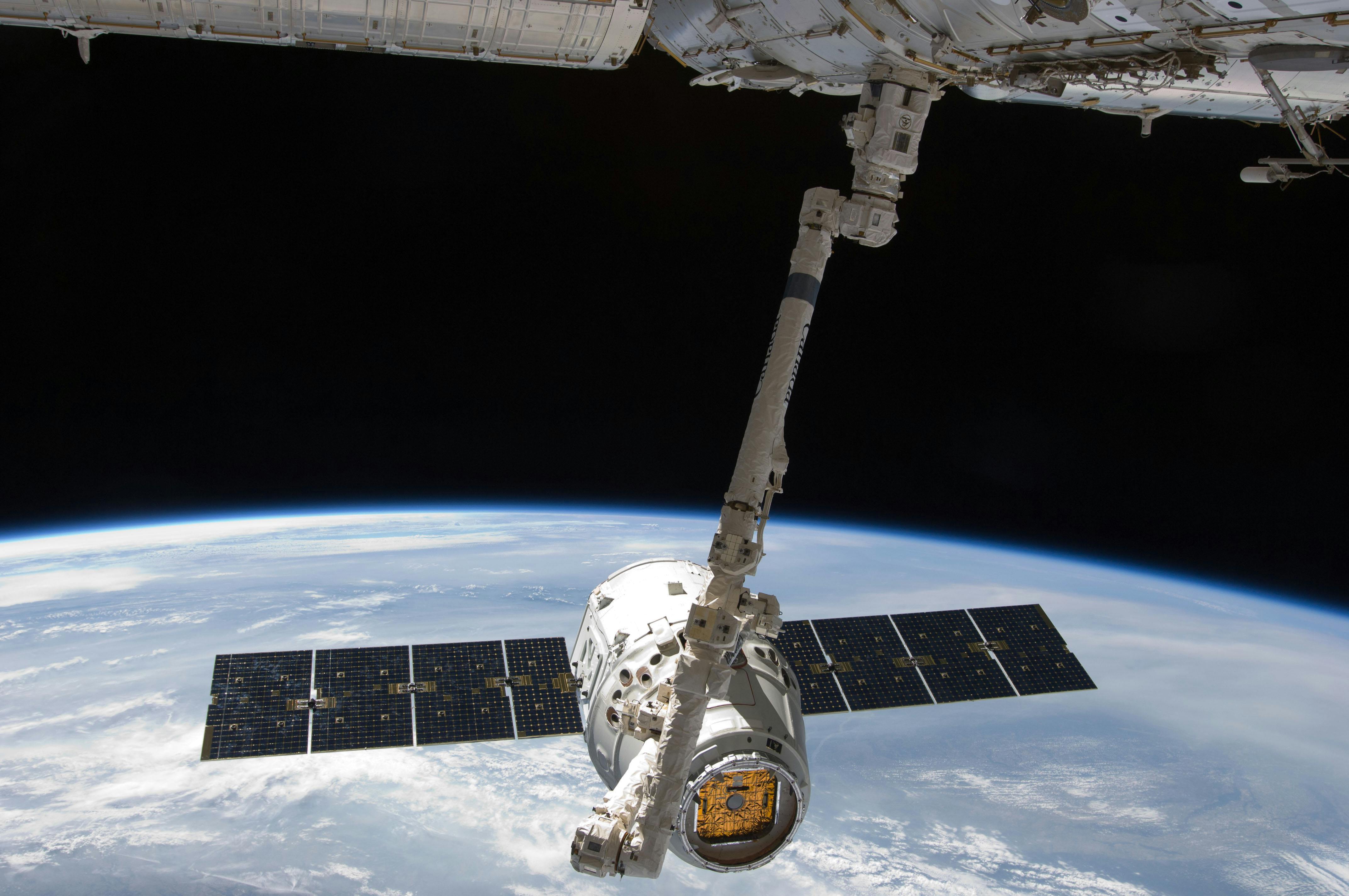
A few years ago, imagery like this would have been classified. Today, it is publicly accessible — and can be analyzed by AI in minutes.
It shows nothing dramatic. A strip of concrete in a remote desert. A cluster of buildings near a coastline. Vehicles parked where there were none a month earlier. To an untrained eye, it looks like background noise. To those who know what they’re Seeing, it’s information that once moved through secure rooms and encrypted cables.
What changed was not secrecy laws or whistleblowers. It’s physics, economics, and software. Governments didn’t lose control of surveillance through leaks or hacks. They lost it because the world became observable — cheaply, continuously, and by anyone willing to look.
What Changed

For decades, the ability to watch the Earth from above belonged to a small group of states. Launching satellites was expensive. Imaging technology was limited. Data was tightly controlled. Intelligence agencies could see almost anything, but almost no one else could.
That balance eroded quietly. Reusable rockets and rideshare missions cut launch costs sharply. Small satellites became viable. Fleets replaced flagships. Instead of a few exquisite eyes in orbit, there were suddenly hundreds of adequate ones.
Commercial optics followed. Private companies launched satellites able to resolve aircraft on runways, ships in ports, and construction changes over time. Not cinematic — but consistent, frequent, and improving.
Then came analysis. Modern image-recognition tools can scan thousands of images, compare them over time, and flag changes automatically. The images are public or commercially licensed. The tools are widely available. The bottleneck is no longer access. It’s attention.
Surveillance was never the advertised product. It emerged as a byproduct of legitimate markets such as agriculture, insurance, logistics, and urban planning.
What This Enables
Military movements can be spotted days or weeks before official acknowledgment. Equipment leaves patterns. Vehicles need storage. Troops need housing. Airstrips expand. Ports are dredged. These changes are physical and hard to hide from above.
Construction tells stories. New bases do not appear overnight. Foundations are poured. Materials arrive. Roads form. Satellite images taken days apart show progress like frames in a slow-motion video.
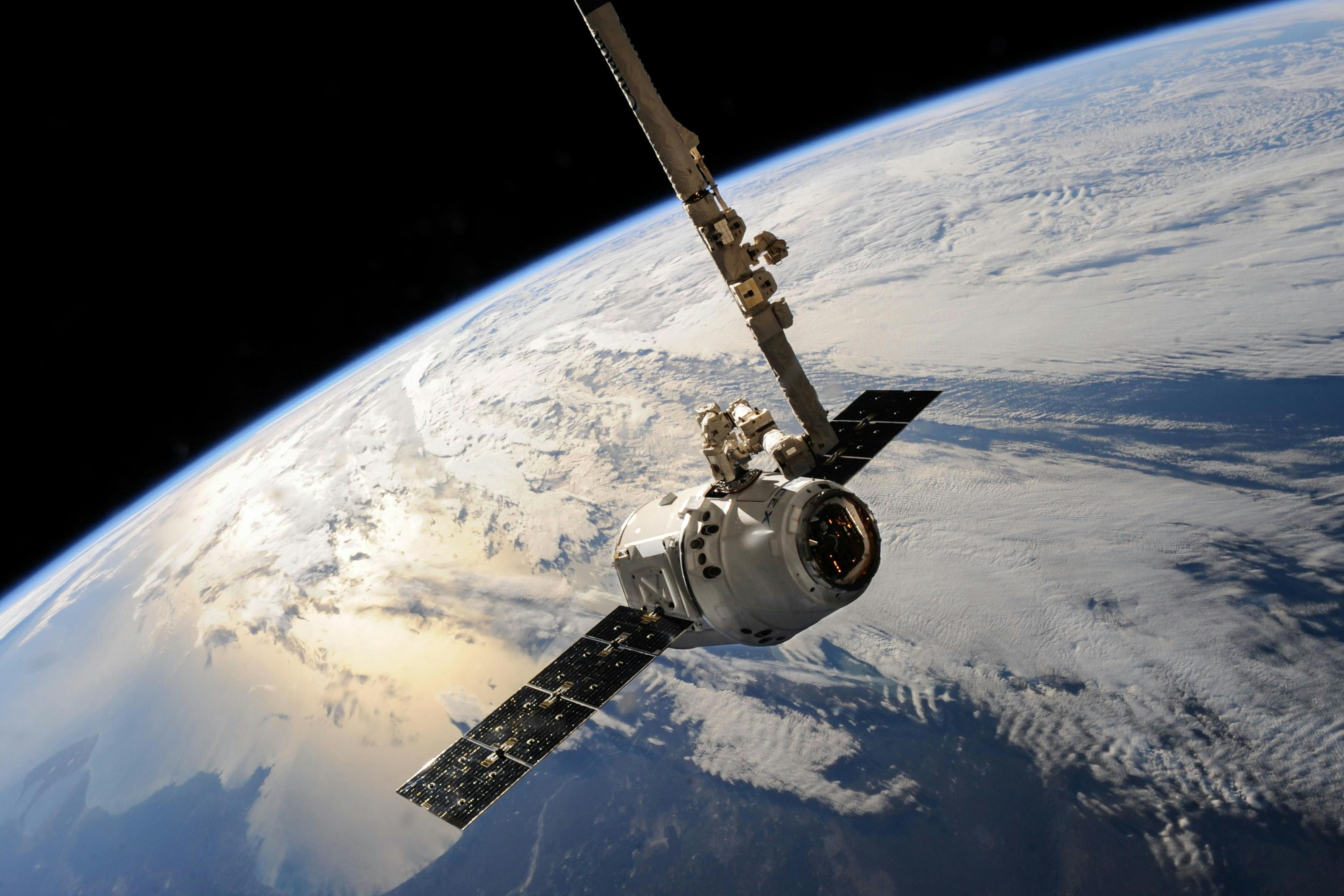
Commercial satellites also track maritime traffic. Analysts can see which vessels linger, which routes shift, and which ports grow busier. Patterns that once required classified sensors are now accessible through commercial platforms.
Governments increasingly lose control of timing. Announcements arrive after observers have already seen the facts. Denials become harder to sustain. Silence stands out.
The Power Shift
This is not just about journalists. Researchers, analysts, advocacy groups, and private citizens now see things that once required security clearances.
Intelligence agencies still retain advantages — classified sensors, signals interception, and human sources — but exclusivity is gone. They no longer monopolize the aerial view.
Rather than resist, governments adapted. Some accelerated their use of commercial imagery. Others accepted that secrecy now has limits.
Why This Matters
For journalism, verification no longer depends solely on official statements or anonymous sources. Physical evidence can be checked independently.
For markets, satellite data alters information gaps. Investors already use it to estimate oil inventories, factory output, and retail activity. Geopolitics follows the same logic.
For conflicts, transparency can deter escalation — or shorten decision timelines when preparations become visible early.
The Uncomfortable Truth
Secrecy is no longer guaranteed — not because laws changed or secrets leaked, but because observation spread.
Governments still plan. Militaries still maneuver. Corporations still build. But the assumption that these actions can unfold unseen is increasingly outdated.
The world is becoming legible in ways it wasn’t before. And this is likely only the beginning.