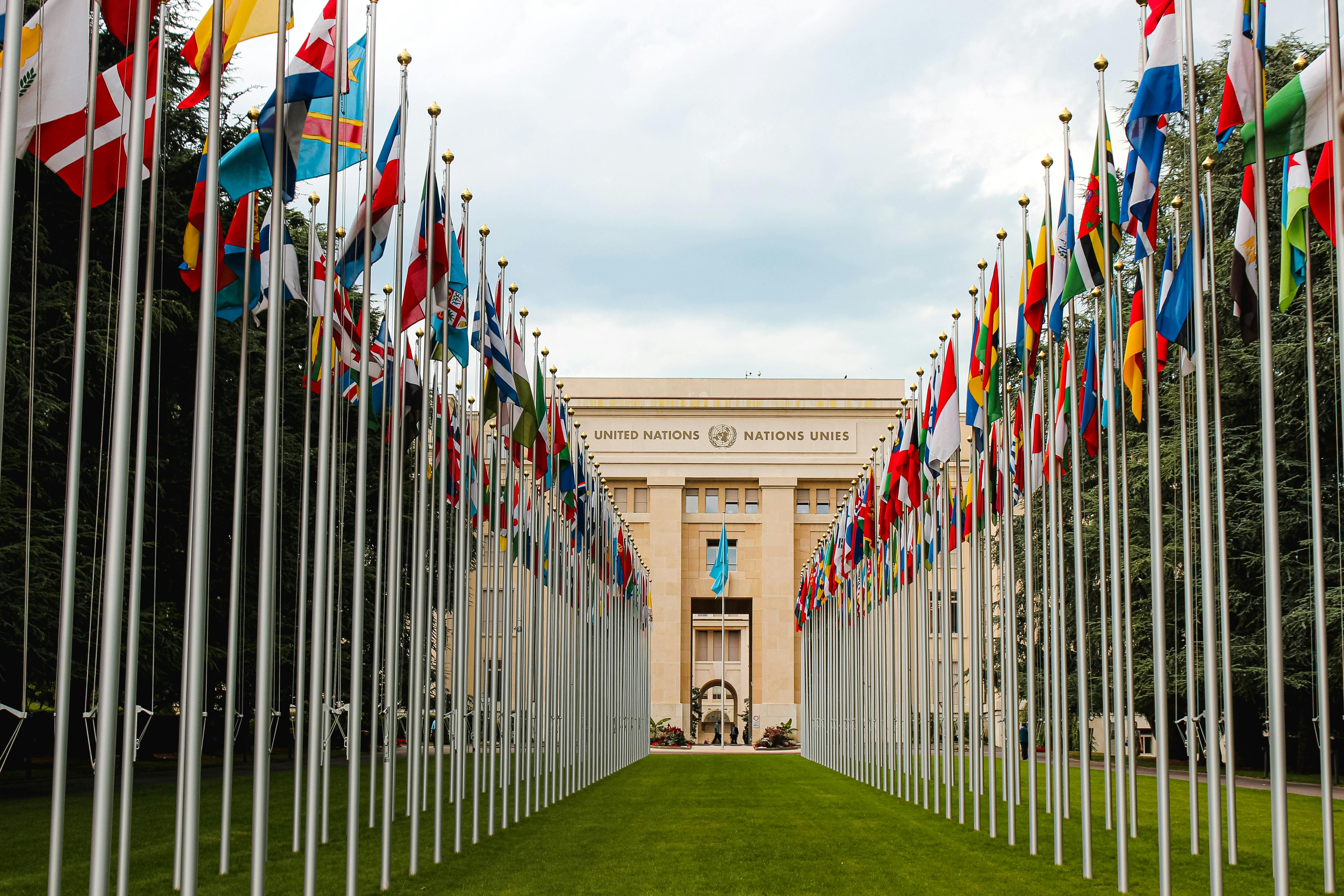
Delegates from 140 countries on Friday agreed to a preliminary global framework aimed at cutting industrial carbon emissions by 40% before 2030, concluding a weeklong summit focused on coordinated climate action.
The agreement, reached at the Global Carbon Summit in Geneva, sets out a shared target for reducing emissions from heavy industry, including energy production, manufacturing and transport. While not legally binding, the accord establishes common benchmarks and reporting standards intended to guide national policies over the rest of the decade.
Under the framework, participating countries committed to submit updated national plans within 18 months outlining how they will meet the collective reduction goal. The agreement also calls for expanded monitoring of industrial emissions, greater data transparency, and cooperation on cleaner technologies.
Wealthier nations pledged technical assistance and financing support to help developing economies transition away from high-emission industrial processes, acknowledging disparities in industrial capacity and development.
Negotiators said the framework is designed to close gaps between existing national climate pledges and the level of reductions scientists say are needed to limit global temperature rise. Industrial activity accounts for a significant share of global greenhouse gas emissions, and previous climate agreements have struggled to set coordinated sector-specific targets.

The talks come amid mounting evidence that current national commitments remain insufficient to meet internationally agreed climate goals. Earlier efforts, including the 2015 Paris Agreement, relied largely on voluntary national targets, leaving wide differences in ambition and implementation.
Despite broad participation, some major emitters expressed reservations during negotiations, citing economic competitiveness and energy security concerns. Several countries emphasized that the framework allows flexibility in how targets are achieved, reflecting different national circumstances.
The agreement now moves into a technical phase. Working groups will finalize measurement standards, reporting rules, and financing mechanisms before the framework is formally presented for adoption at next year’s climate conference.
Officials cautioned that the framework’s impact will depend on follow-through. “This sets a direction,” one senior delegate said. “What matters now is whether governments translate these commitments into concrete action.”