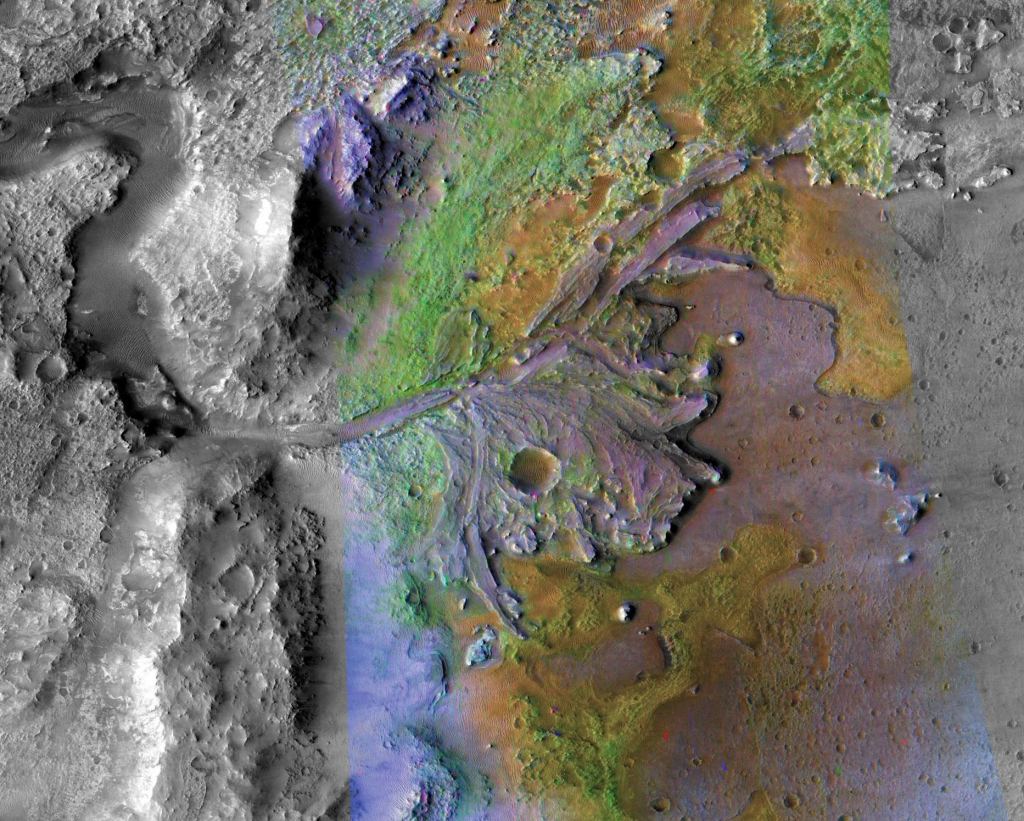
New data from NASA’s Perseverance rover indicate that rivers once flowed across parts of Mars’ northern hemisphere, leaving behind delta-like formations dating back roughly 3 billion years, scientists said this week.
The findings come from geological samples and high-resolution imagery collected as Perseverance explored sedimentary rock layers in Jezero Crater, an area long believed to have hosted a lake. Researchers said the shape, layering, and composition of the rocks are consistent with material deposited by flowing water over an extended period.
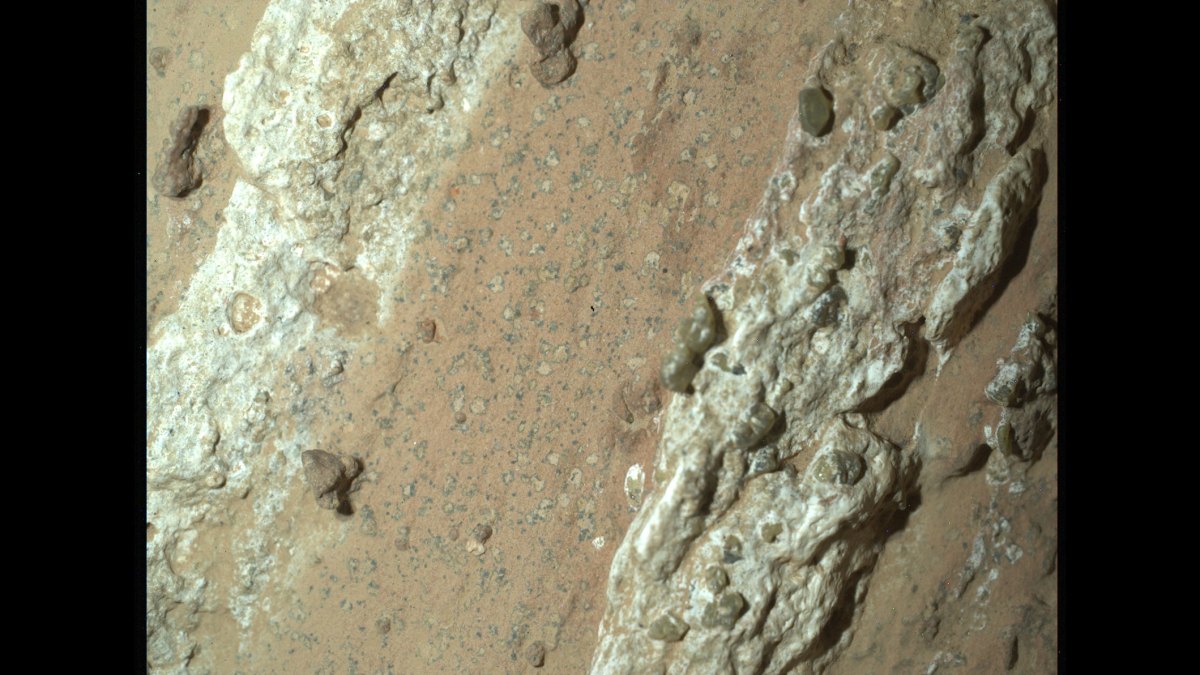
According to the science team, the rocks show clear signs of stratified sediments likely carried downstream and gradually deposited as water slowed, forming fan-shaped structures similar to river deltas on Earth. Grain sizes and mineral patterns suggest sustained water flow rather than short-lived flooding events.
The data point to a period when Mars had a thicker atmosphere and a warmer climate capable of supporting liquid water at the surface. Scientists say this strengthens the case that large parts of the planet were once far more hospitable than they are today.
Perseverance made the observations using a combination of cameras, spectrometers, and a drill designed to extract core samples. These tools allow researchers to examine rock textures and chemical composition directly, rather than relying only on orbital imagery. Several samples are being stored for potential return to Earth by a future mission.
Launched in 2020, Perseverance is part of NASA’s effort to study Mars’ geology and assess whether the planet was ever capable of supporting microbial life. One of its primary goals is to identify ancient environments shaped by water that could have been habitable.
While evidence of past water on Mars has been found by earlier missions, scientists say the latest results stand out for the strength of evidence supporting long-lasting river systems in the planet’s northern regions, rather than brief or isolated wet periods.
Researchers plan to continue examining nearby rock layers to refine the timeline of water activity in the region. Future analysis will focus on whether the sediments preserve chemical or structural clues that could point to past biological activity, as well as how Mars transitioned from a wetter world to the cold, dry planet seen today.